

Venezuela’s Oil Comeback Reshapes Global Crude Trade Ahead of VEW 2027
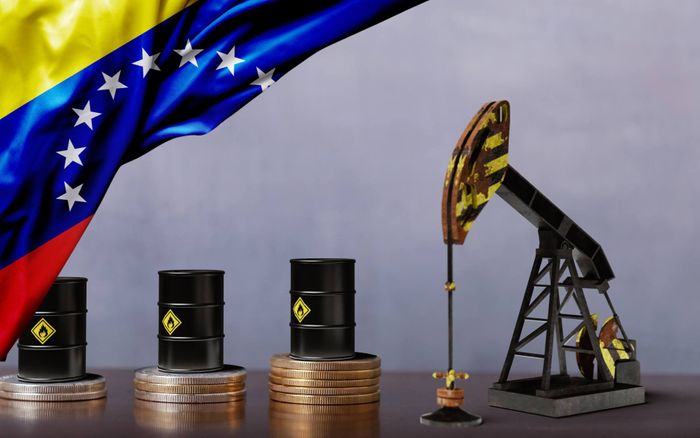
The negotiations reflect a broader shift in Venezuela’s commercial relationships, as international buyers compete for renewed access to its crude. Venezuela Energy Week (VEW) 2027 will bring producers, refiners, trading companies and investors to Caracas to examine the opportunities created by the country's expanding international trade.
ONGC expects to become sole operator of San Cristobal, where it holds a 40% interest, and joint operator of Carabobo-1. Direct marketing rights would allow the company to sell production independently of existing PDVSA arrangements.
India has emerged as one of Venezuela's most important trading partners. Purchases reached $3.6 billion between April and August 2026, with full-year fiscal imports potentially exceeding $15 billion. Washington is encouraging New Delhi to replace Russian Urals with Venezuelan heavy crude.
U.S. Gulf Coast refiners are also benefiting from renewed access to Venezuelan crude. Their coking facilities are configured for heavy grades such as Merey 16, offering an alternative to Canadian and Mexican supplies.
European buyers are returning through established operators including Repsol and Eni. Exports to Europe reached approximately 158,000–169,000 barrels per day (bpd) during mid-2026, rising to 235,000 bpd in October, with cargo allocations also supporting outstanding dividend and debt settlements.
Meanwhile, previously absorbing up to 70–80% of Venezuelan exports through indirect shipments, Chinese buyers have lost access to much of their discounted supply as marketing shifts toward U.S.-approved channels.
The redistribution of Venezuelan crude is changing Atlantic and Asian trade flows. Additional South American supply gives international refiners alternatives to Middle Eastern barrels, diversifying procurement and reducing exposure to geopolitical and shipping risks.
Venezuelan crude loadings fell 25% to approximately 809,000 bpd in October, according to Bloomberg, as higher freight costs and weaker refinery demand constrained sales. Broader exports of oil and related products remained near 1.08 million bpd, according to Reuters, highlighting the difference between crude shipments and total petroleum exports. The slowdown underscores the commercial challenges facing Venezuela even as international market access improves.
The country’s market reopening has been supported by amendments to its Organic Hydrocarbons Law in January 2026 and subsequent U.S. authorizations governing oil transactions. Implementing regulations introduced in July provided further detail on the revised fiscal and contractual framework, while existing operators were required to migrate their agreements to the new system. The reforms have expanded opportunities for foreign companies to assume greater operational and commercial responsibilities
These shifting trade flows will create opportunities for producers, refiners, traders and logistics providers, but securing long-term supply relationships will depend on Venezuela's ability to expand production, restore infrastructure and maintain competitive export terms. VEW 2027, taking place February 22–25 in Caracas, will bring these stakeholders together to explore crude offtake agreements, investment partnerships and the infrastructure needed to support Venezuela's reintegration into international energy markets.
Venezuela Energy Week 2027 takes place February 22–25 at the Simon Bolivar Convention Center in Caracas. Organized by Energy Capital & Power under the patronage of Acting President Delcy Rodríguez, PDVSA and the Ministry of Hydrocarbons, VEW connects international investors with Venezuela's oil and gas sector. To register or enquire about sponsorship and speaking opportunities, visit www.venezuelaenergyweek.com.